AI automation
AI automation for repeated work.
Documents, inboxes, reports and data entry: we build the workflow around the model, with a person on the steps that need judgment. The AI reads and classifies; the surrounding code validates, routes and keeps the record.
What it handles.
- Document and invoice extraction
- Request and inbox triage
- Report drafting and summaries
- Data matching and cleanup
- Handoffs into existing systems
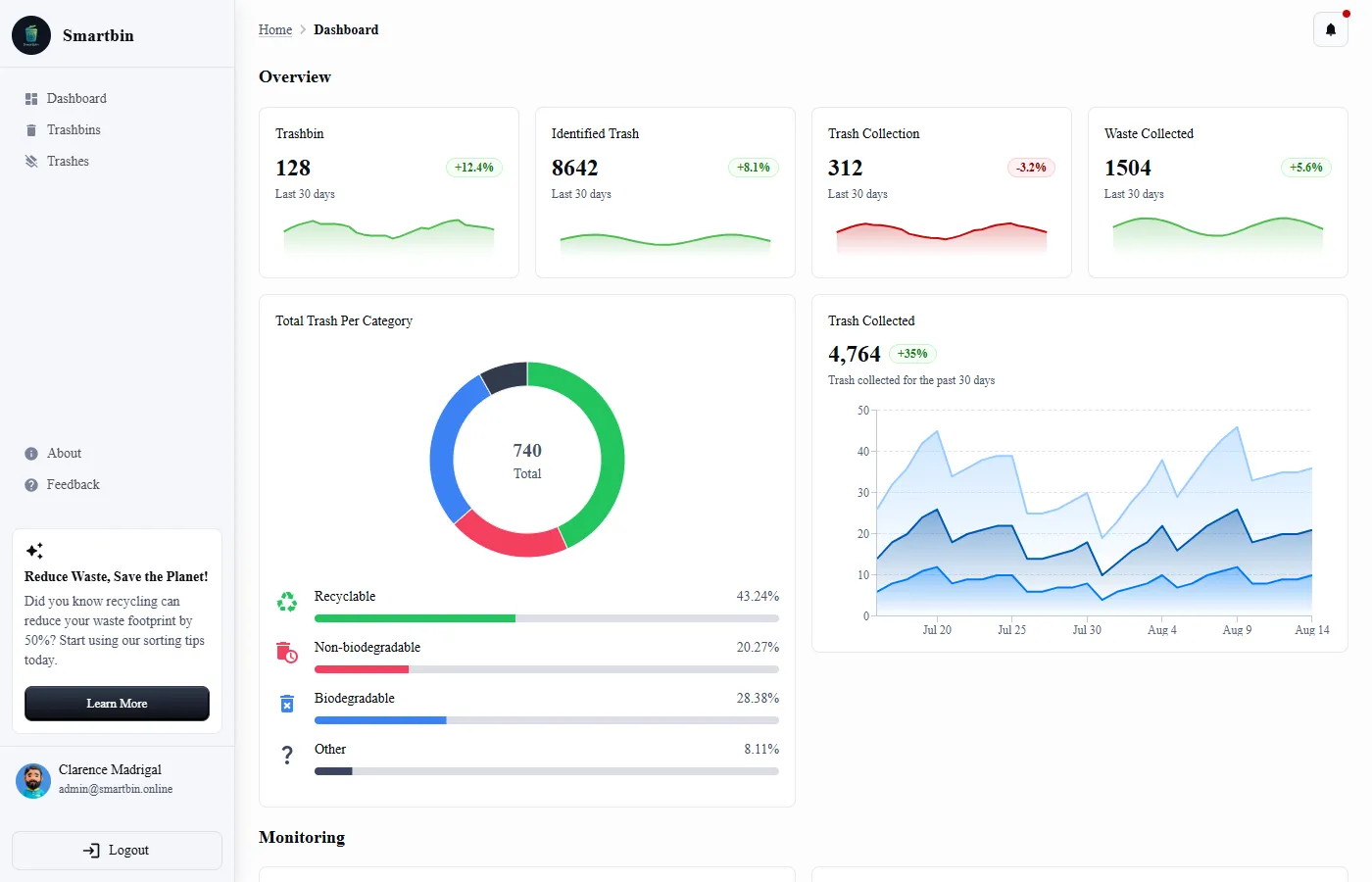
Dashboard / Report / Existing system
Guardrails.
AI is used where it earns its place. The workflow still has to be explainable, reviewable and cheap enough to run.
- Deterministic firstValidation, routing and the audit trail are ordinary code.
- Human reviewLow-confidence or high-impact steps stay with a person.
- Client-approved providersData minimisation and the model or OCR service agreed with you.
- Logs and fallbacksEvery automated decision has a record and a route back to manual work.
- Cost controlsRate limits, caps and a measured cost per document or request.
How it runs.
Map the task, build the workflow, keep the exceptions visible.
01
Map the task
What arrives, what the system has to read, and where the exceptions are.
02
Build the path
Extraction, validation, routing and review around the model, not the other way round.
03
Measure
Time saved, error rate, cost per item and the manual fallback.
04
Handover
Code, runbook, provider notes and the controls for the team that runs it.
Questions.
What people ask before scoping this kind of build. If yours is not here, write to us.
Where does AI actually help?
Reading documents, classifying requests, matching records and drafting a first version of a report. The surrounding workflow validates, routes and records the result; the model is one step, not the whole system.
What happens when confidence is low?
The item goes to a person with the extracted fields and the source document beside them. High-impact steps can require review even at high confidence, and every review decision is recorded.
Is our data used to train models?
That depends on the provider you approve. We document the provider's retention and training terms before the build, send only the minimum the task needs, and keep the provider decision in your hands.
How do you keep an audit trail?
Every automated decision stores its input reference, extracted values, confidence, model or OCR version and the person who reviewed it. A manual fallback stays available for every step that can fail.
Can it integrate with our existing systems?
Yes. The output can land in a dashboard, an inbox, a report template or an existing system through its API. The integration is built and tested with your data, not a generic demo.
Automation and machine-vision work.
Selected projects where a model or a device does the repeated part.