Custom tools
Custom tools for repeated work.
Scrapers, scheduled jobs, imports and integrations, moving data between systems that were never meant to talk. The tool does the part people keep redoing by hand.
What it handles.
- Data extraction and cleanup
- Scheduled reports
- Imports from devices and spreadsheets
- API integrations
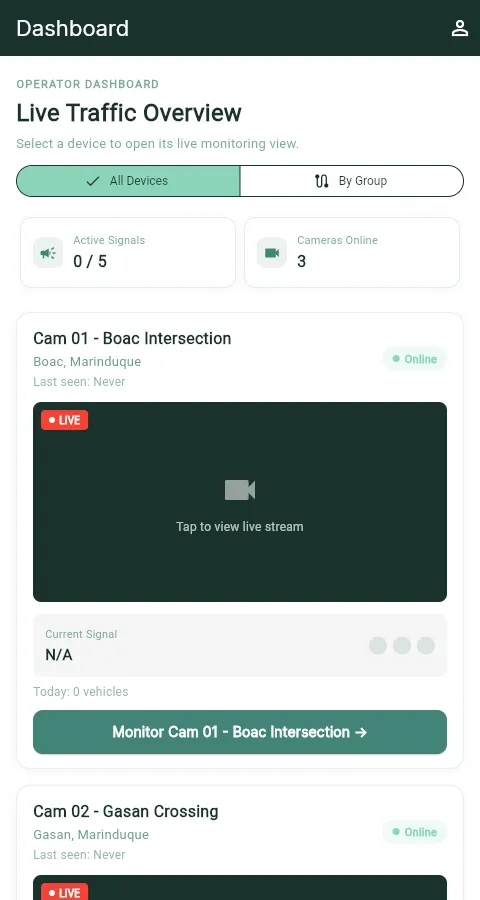
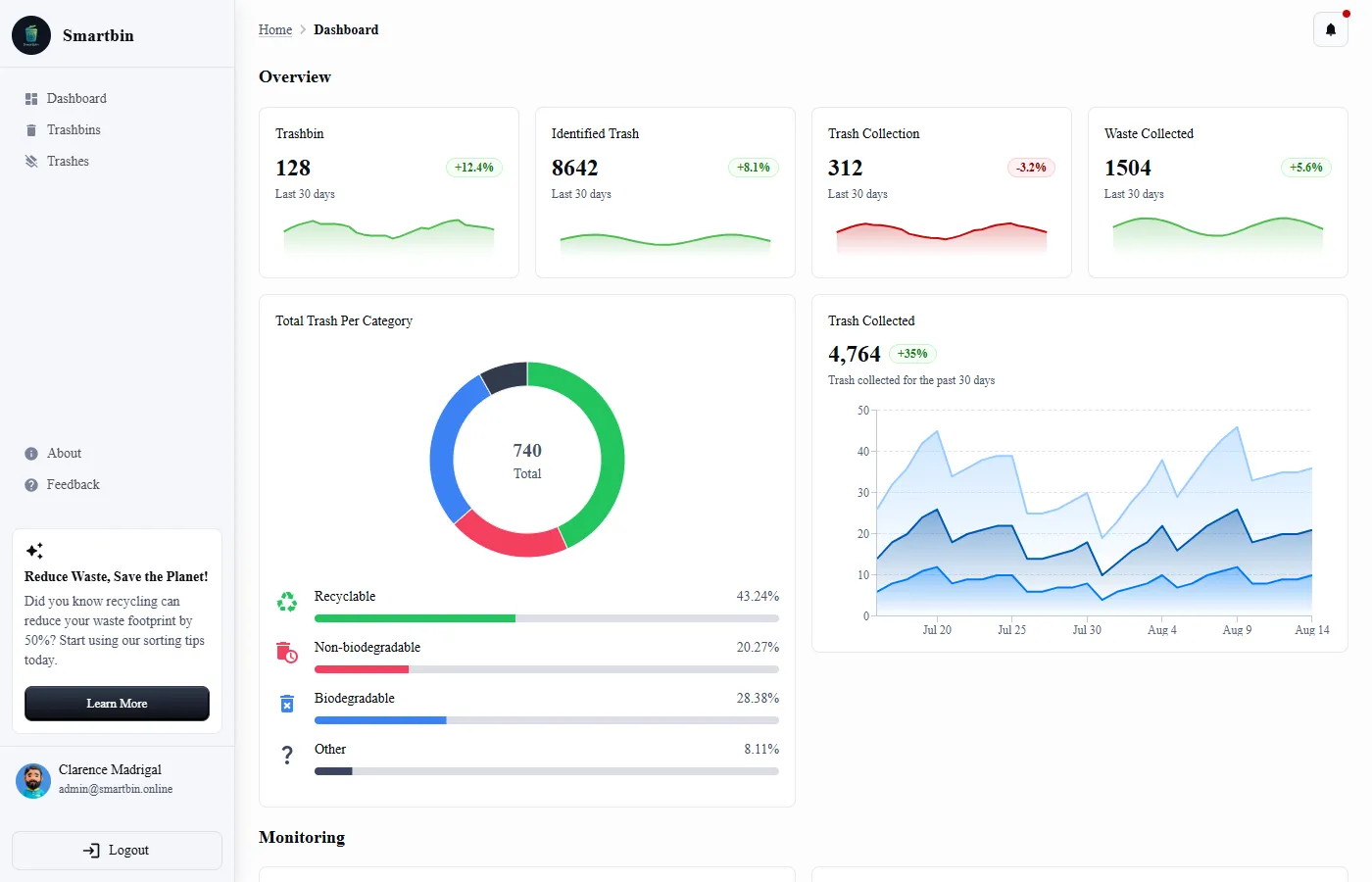
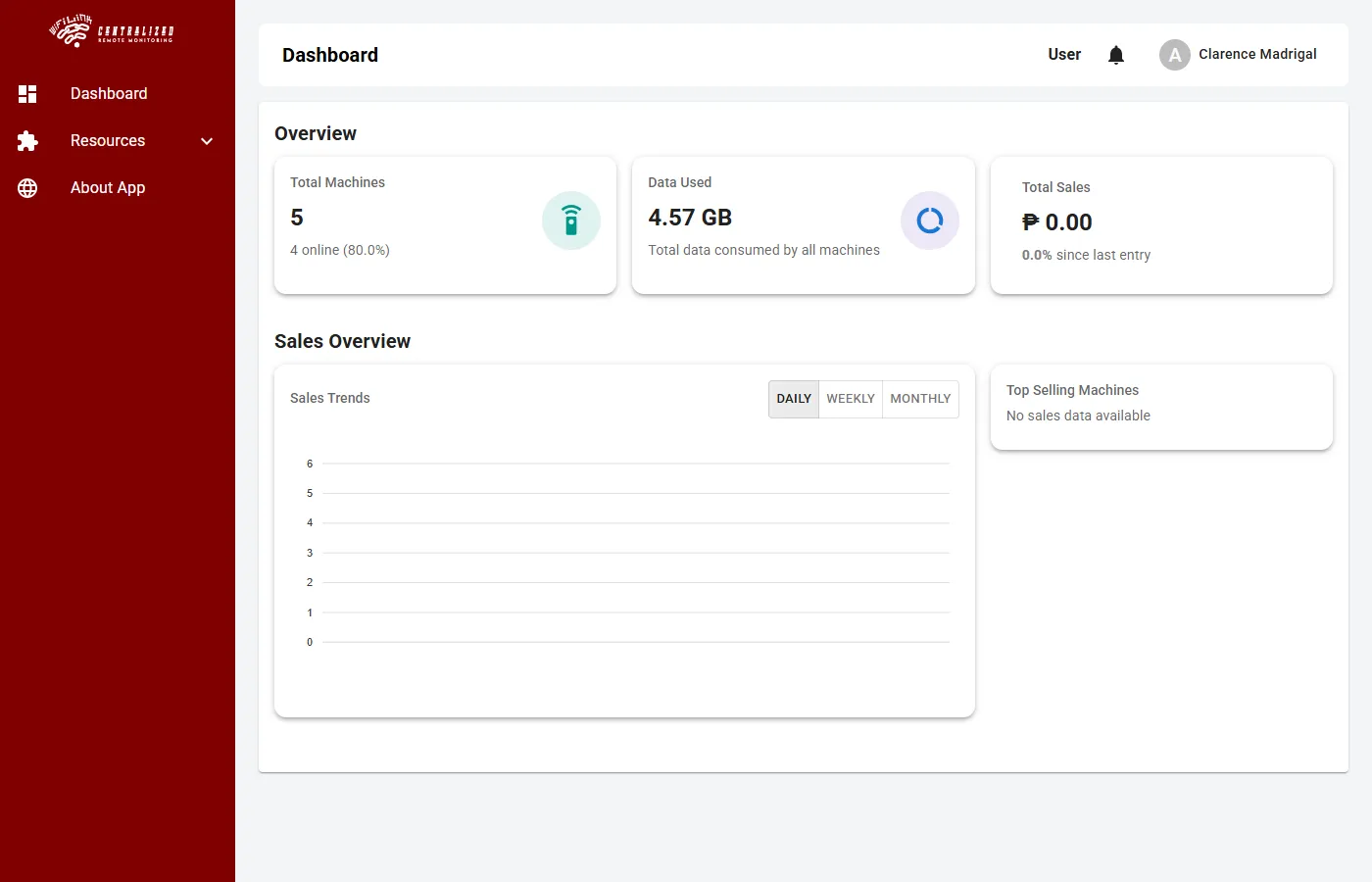
Dashboard / Monthly report / External API
How it runs.
Find the repeated step, make it reliable, keep the audit trail.
01
Map the data
Where it comes from, what shape it is in, where it has to land.
02
Build the path
Collect, clean, store and deliver, with a queue when the connection drops.
03
Run on a schedule
One record per run, errors visible, no silent failures.
04
Handover
Code, deploy notes and the runbook for the person who keeps it alive.
Questions.
What people ask before scoping this kind of build. If yours is not here, write to us.
What kinds of tools do you build?
Scrapers, spreadsheet and device imports, scheduled reports, data cleanup jobs and API integrations. The common thread is a repeated manual step that has to run the same way every time.
Can it connect to our devices and existing systems?
Yes, within what the systems expose. We work with REST APIs, databases, MQTT and device streams, files and spreadsheets. Where there is no API, we document the adapter and the limits before building.
What happens when a scheduled job fails?
Failures are visible: retries where they are safe, a queue for temporary outages, and an alert or a report line for the person who owns the process. The job does not fail silently.
How do you handle changes in the source system?
Adapters are kept separate from the business logic, the expected shape is validated on every run, and a schema change fails loudly with the offending record. That makes the fix a small change instead of a rewrite.
Do we own the code?
Yes. Handover includes the code, the configuration, the deploy notes and a runbook covering the schedule, the logs, the retries and the person to call when something looks wrong.